News
Underground Safety: How a Cross Bore Inspection Finds Hidden Utility Dangers
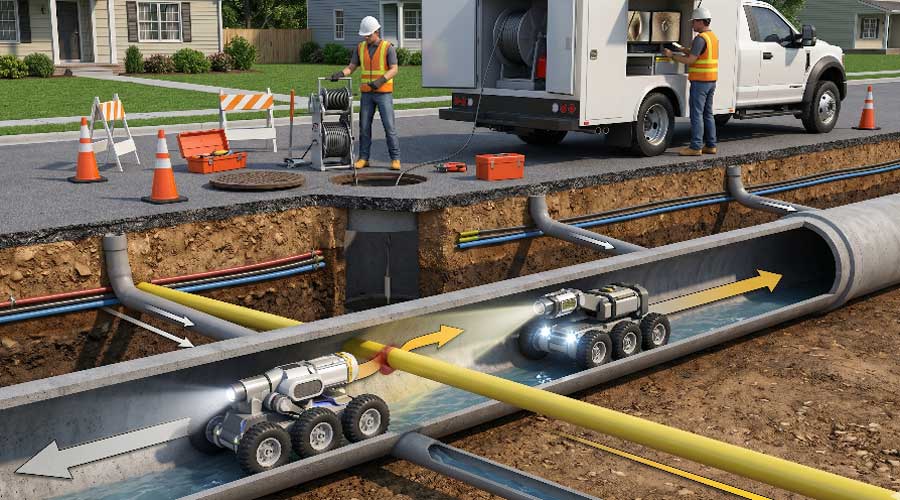
Beneath our feet lies a vast, invisible network of utilities. Millions of miles of pipes and cables carry water, natural gas, electricity, and internet data straight to our homes. Most of the time, this complex underground world works perfectly.
However, because space beneath our streets is limited, these pipes can sometimes run into each other. When one utility line accidentally cuts through another, it creates a dangerous hazard. A cross bore inspection is the only reliable way to find these hidden dangers before they cause serious harm.
Many workers in the inspection industry have seen firsthand how easily these mistakes can happen. Finding these issues before they cause trouble is a major part of keeping communities safe. In this article we will look at what a cross bore inspection involves, how the process works, and why this work is so important for our neighborhoods.
What is a Cross Bore?
To understand the inspection process, we need to look at the problem itself. A cross bore occurs when a new underground utility line is installed directly through an existing utility line. This usually happens when workers use trenchless technology. Trenchless digging allows crews to install pipes underground without digging a long, open trench. It is a fantastic, efficient way to work, but it means workers cannot see what is directly in front of the drilling tool.
Most often, a newer natural gas line is accidentally bored straight through an existing sewer pipe. Understanding the basic problem makes it clear why a cross bore inspection is so vital for public safety.
The Hidden Danger in the Sewer
A cross bore can sit quietly inside a sewer pipe for years without causing any trouble. The problems begin when the sewer pipe gets blocked. Homeowners notice their drains are backed up, and they call a plumber.
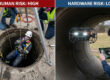
When a plumber arrives to clear a blocked sewer line, they often use a mechanical cutting tool. This tool has sharp, spinning blades designed to chop and slice through tree roots and thick clogs. If those spinning blades strike a natural gas line hidden inside the sewer, the tool can easily cut the gas pipe open. Natural gas then leaks into the sewer line, travels up into the house, and can cause a massive explosion. This is where a modern cross bore inspection saves the day.
The Two Main Types of Inspections
Utility companies and contractors do not wait for a disaster to happen. They take action early. There are two main times when crews perform these safety checks.
Pre-Construction Inspections
Before a contractor installs a new pipe, they want to know exactly what is already in the ground. Contractors use a cross bore inspection to check the area before they even start digging. This helps them plan a safe path for the new utility line.
Post-Construction Inspections
After a new pipe is installed using trenchless methods, crews must verify that no damage was done. They inspect the existing sewer lines in the area to confirm that the new utility line did not punch through them.
The Step-by-Step Process: How a Cross Bore Inspection is Conducted
Every cross bore inspection follows a strict plan to ensure nothing is missed. It is a blend of careful research, high-tech equipment, and skilled teamwork.
Step 1: Research and Mapping
The first step of any cross bore inspection is gathering records. The inspection team looks at city maps, sewer layouts, and property plans. They need to know where the main sewer lines run and where the smaller lateral lines connect to individual homes.
Step 2: Selecting the Equipment
The main work of a cross bore inspection happens with advanced camera equipment. Standard cameras will not work here. The crew chooses specialized, waterproof cameras that can travel deep inside dark, wet pipes.
Step 3: Launching the Camera
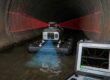
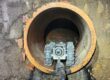
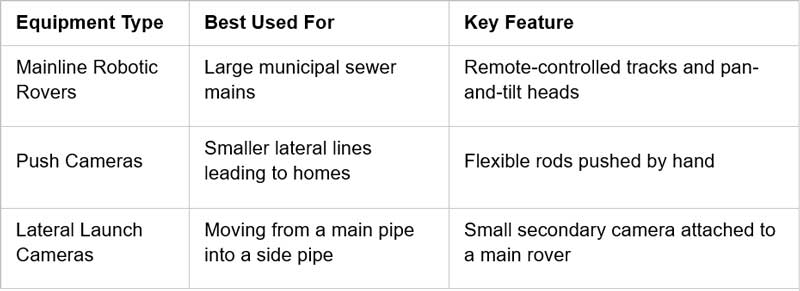
During a standard cross bore inspection, operators use robotic cameras such as a CCTV camera. They lower a robotic rover into a sewer manhole. The operator sits inside a specialized mobile command truck and steers the rover down the pipe using a joystick.
A successful cross bore inspection relies heavily on these cameras. As the rover moves, it sends a live, high-definition video feed back to the operator truck. The operator watches the screen closely, looking for any signs of a foreign pipe cutting through the sewer.
Step 4: Checking the Lateral Lines
The main sewer pipe under the street is only half the battle. The crew must also check the lateral lines, which are the pipes running from the main street line up to each individual house.
To do this without entering a person’s home, technicians use a lateral launch camera. The main robotic rover travels down the street sewer pipe. When it reaches a junction where a home’s pipe connects, it launches a smaller camera up into that side pipe. This step is the core of the cross bore inspection process because gas lines frequently hit these smaller residential pipes.
Step 5: Identifying and Marking Conflicts
If the cross bore inspection team finds a conflict, they stop immediately. They do not guess where the problem is. They use specialized tools to pinpoint the exact location and depth of the issue from above ground.
The Technology Inside the Pipes
The cameras used in this work are packed with advanced technology. They do much more than just record video.
- Sondes (Locating Beacons): Inside the camera head is a tiny radio transmitter called a sonde. While the camera is underground, a technician on the surface uses a hand-held locator device to detect the signal from the sonde. This tells the crew exactly where the camera is located under the ground.
- Laser Profilers: Some high-end systems use lasers to measure the inside shape of the pipe. If a pipe is slightly oval instead of round, the laser detects it, signaling that an outside force might be pressing against the pipe.
- Data Recording Software: Data integrity is a major piece of a proper cross bore inspection. Specialized software records the video, tracks the exact footage distance, and allows the operator to log notes about the pipe’s condition in real time.
Reviewing the Data
Once the field work is done, the process moves to the review phase. Experts look at every minute of the recorded video. They verify that every single foot of the sewer system was clearly seen and evaluated.
A high quality cross bore inspection will provide a map of every single line. If any section of a pipe was blocked by debris or grease, preventing the camera from passing, it is marked as unverified. The crew must then clean the pipe and inspect it again. Nothing can be left to guesswork.
Why This Matters to Communities
The technology used during a cross bore inspection is impressive. However, the real value of this work is human safety.
[Camera Inspection] ➔ [Locates Utility Intersection] ➔ [Crews Repair Pipe] ➔ [Explosion Prevented]
By finding these utility conflicts early, cities and utility companies protect ordinary citizens and workers. This tool helps the cross bore inspection crew know exactly where the camera is, allowing construction teams to fix the issue safely before a plumber ever brings a cutting tool into the line. The cost of a cross bore inspection is tiny compared to the cost of an explosion, making it a smart, necessary practice for modern infrastructure management.
Investing in a regular cross bore inspection keeps our neighborhoods safe, our utilities running smoothly, and our underground systems organized. It is quiet, invisible work, but it protects lives every single day.