News
The Unseen Arteries: Why Advanced Pipeline Inspection is Non-Negotiable
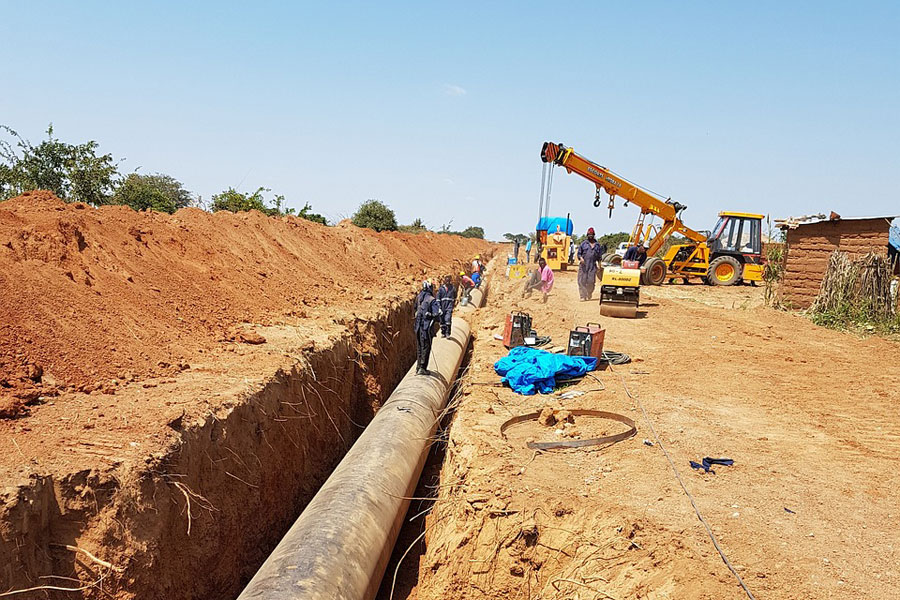
Beneath the hustle of our daily lives, a vast and silent network operates continuously. These are our underground pipelines, the unseen arteries that deliver clean water to our homes, carry away wastewater, and transport essential energy resources. We rely on them completely, yet rarely give them a second thought until something goes catastrophically wrong.
A sudden sinkhole swallowing a street, a major water main break flooding a neighborhood, or a silent leak contaminating the environment are all stark reminders of this hidden infrastructure’s fragility. The core challenge is straightforward: how do you maintain something you cannot see? For decades, this question plagued engineers and municipalities.
Today, the answer lies not in guesswork, but in powerful technology. The critical combination of high-definition Closed Circuit Television (CCTV) cameras and advanced multi sensor probes have revolutionized underground pipeline inspection. These tools are the modern cornerstone of predictive and preventative maintenance, allowing us to see the unseen and fix problems before they become disasters.
From Guesswork to High-Tech Diagnostics
The history of pipeline inspection is a story of ingenuity born from necessity. In the early days, the methods were rudimentary at best. When a new pipeline was laid, the only real “inspection” was a visual check before the trench was backfilled. Once buried, the pipe was out of sight, out of mind. If a problem was suspected, the methods were indirect. Engineers might use listening devices, essentially industrial stethoscopes, to try and hear the hiss of a leak.
Another early technique was known as “pigging.” A device, called a “pig,” was sent through the line to scrape away debris. If it got stuck, you knew you had a problem, like a blockage or a collapsed section of pipe. This was a reactive and often destructive process. You only found a problem after it had already become significant. This entire approach to pipeline inspection was based on reaction rather than prevention.
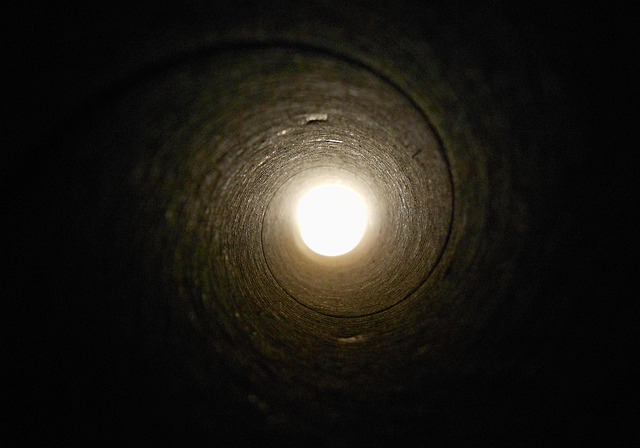
The first true revolution in pipeline inspection arrived with the advent of Closed Circuit Television. Suddenly, for the first time, operators could get a real time view inside a pipe without costly and disruptive excavation. Early systems were bulky and the video quality was grainy by today’s standards, but the concept was groundbreaking. This new era of pipeline inspection allowed for a visual assessment of a pipe’s internal condition. Engineers could see cracks, identify root intrusion, and locate blockages. This shift marked a move from pure guesswork to informed analysis.
However, as our understanding of pipeline failure grew, so did the awareness of CCTV’s limitations. A camera can only see the surface. It can’t tell you what’s happening within the pipe wall itself or in the soil surrounding it.
This led to the next great leap in pipeline inspection: the development of multi sensor inspection probes. These advanced platforms go beyond simple visuals, integrating technologies that can measure pipe wall thickness, detect hidden corrosion, and identify dangerous voids forming outside the pipe.
This evolution, from primitive listening sticks to sophisticated robotic platforms, has fundamentally changed how we manage our buried infrastructure. Organizations like the American Society of Civil Engineers (ASCE) and NASSCO (National Association of Sewer Service Companies) have been instrumental in developing the standards that guide modern pipeline inspection practices, ensuring data is collected and interpreted consistently across the industry. This journey from reactive repairs to data driven predictive maintenance is the core of modern pipeline integrity management.
The Eye in the Pipe: A Deep Dive into CCTV Inspection
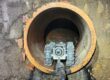
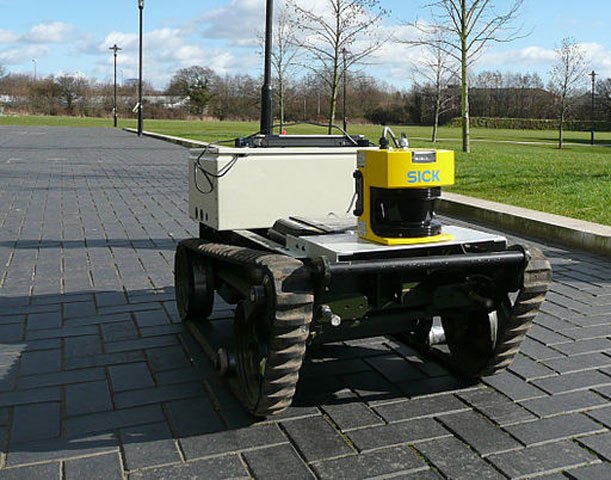
The main character of a modern visual pipeline inspection is the CCTV robotic crawler. Think of it as a remote controlled vehicle specifically designed for the harsh environment inside a sewer or water main. These rugged machines are equipped with powerful motors to navigate difficult terrain, bright lights to illuminate the pitch black interior of a pipe, and a sophisticated high definition pan tilt zoom (PTZ) camera. This camera is the star of the show. The operator, working from a control van on the surface, can pan the camera 360 degrees, tilt it up and down, and zoom in to get a highly detailed look at any feature or potential defect.
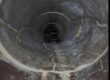
The process of a CCTV pipeline inspection involves several steps. The crew typically sets up at a manhole, where the crawler is lowered into the pipe. The operator then drives the robot through the pipeline, from one manhole to the next, while a live video feed is transmitted back to the control van. Every foot of the pipe is recorded, and the operator carefully documents and records any observations. This is far more than just looking for obvious problems. A proper CCTV pipeline inspection is a detailed condition assessment.
So you may ask, what exactly can this technology detect? The list is extensive and covers a wide range of issues that can compromise a pipeline’s integrity. These can be broken down into a few key categories:
- Structural Defects: These are problems with the pipe itself. CCTV can clearly identify cracks, whether they are running along the length of the pipe (longitudinal) or around its circumference. It can spot fractures, where the pipe material is broken, and even complete collapses. Another common issue is joint displacement, where sections of pipe have shifted and are no longer properly aligned, creating a point of weakness and a potential leak path.
- Operational & Maintenance Issues: These problems that affect the pipe’s ability to do its job. A major issue in sewer lines is infiltration and inflow (I&I), where groundwater leaks into the pipe through cracks or bad joints. These leaks put a huge strain on treatment plants. CCTV can pinpoint the exact location of this infiltration. Perhaps the most common issue found during a pipeline inspection is root intrusion, where tree roots have forced their way into the pipe in search of water, causing blockages and damage. The camera can also identify buildups of grease and debris that reduce the pipe’s capacity. A particularly dangerous issue that a pipeline inspection can find is a cross bore, where another utility, like a gas line, has been accidentally drilled through the sewer pipe, creating a significant safety hazard.
- Construction Flaws: Sometimes, problems are built in from the start. A CCTV pipeline inspection can reveal issues like protruding lateral connections, where a pipe from a home or business sticks too far into the main line, snagging debris. It can also identify poor joint sealing and other defects from the original installation.
To ensure the visual data collected is useful, the industry relies on a standardized system for classifying defects. The most widely accepted standard in North America is the NASSCO Pipeline Assessment Certification Program (PACP). PACP provides a set of codes for every possible type of defect, observation, and feature within a pipe.
This common language ensures that when an operator codes a “longitudinal crack with moderate severity,” an engineer in an office miles away knows exactly what that means. This standardization is critical for comparing the condition of different pipes, prioritizing repairs, and effectively managing an entire network. A professional pipeline inspection is not just about taking a video; it’s about collecting structured, actionable data.
Beyond Visuals: The Power of Advanced Multi-Sensor Probes
While CCTV is a powerful tool, a visual inspection only tells part of the story. A pipe can look perfectly fine on the inside while a serious problem is developing just out of sight. A camera cannot detect a loss of soil support outside the pipe, measure the remaining wall thickness of a corroding metal pipe, or see defects hidden beneath the water level in a full or partially full pipe. For these issues, we need advanced multi sensor probes come, which take pipeline inspection to a whole new level of detail and accuracy.
These advanced probes are platforms that integrate various non destructive testing (NDT) technologies onto a single robotic crawler. By combining these sensors with a standard CCTV camera, operators can gather a comprehensive dataset that provides a complete picture of the pipe’s health, both inside and out. Here are some of the key technologies used in multi sensor pipeline inspection:
- Laser Profiling: A laser profiler works by projecting a ring of laser light onto the inner surface of the pipe. A camera captures this ring, and software analyzes its shape to create a precise 3D model of the pipe’s interior. This is incredibly useful for measuring ovality or deformation, which is when a pipe is being squeezed out of its circular shape by external forces. It can also be used to accurately calculate capacity loss due to debris or corrosion and to measure the exact size of any defects.
- Sonar (Acoustic Inspection): In pipes that are partially or completely full of water, a CCTV camera is of little use. You can’t see through murky water. Sonar solves this problem. It works just like sonar on a submarine, sending out sound waves and measuring the echoes that bounce back. This allows operators to create a profile of the pipe both above and below the waterline. A sonar pipeline inspection is essential for detecting sediment levels, debris, and structural defects that would otherwise be completely hidden.
- LiDAR (Light Detection and Ranging): LiDAR is similar to laser profiling but provides an even greater level of detail. It uses laser beams to create a “point cloud,” which is essentially a massive collection of millions of individual measurement points. This data can be used to generate an incredibly precise 3D model of the pipeline. LiDAR is particularly valuable in large diameter pipes where high accuracy measurements are needed for rehabilitation design. The level of detail from this type of pipeline inspection is unmatched.
- Ground Penetrating Radar (GPR): This is perhaps the most impressive technology used in advanced pipeline inspection. GPR systems mounted on robotic crawlers can actually see through the pipe wall and into the surrounding soil. The GPR antenna sends out radio waves and analyzes the signals that are reflected back. This allows it to detect voids that are forming outside the pipe. These voids are often a precursor to sinkholes and represent a critical public safety risk. GPR can also be used to measure the thickness of the pipe wall and identify the location of rebar in concrete pipes. Finding these external voids is one of the most important outcomes of a thorough pipeline inspection.
By making use of these advanced tools, we move beyond simply looking at the pipe. We are now performing a comprehensive engineering assessment, gathering quantitative data that can be used to make critical decisions about maintenance and rehabilitation. A multi sensor pipeline inspection provides the insights needed to truly understand the condition of these vital assets.
The Synergy: How CCTV and Probes Create a Complete Picture
The true power of modern pipeline inspection lies in data fusion, the process of combining the visual information from CCTV with the quantitative data from the advanced probes described previously. One technology complements the other, providing a holistic assessment that is far more valuable than the sum of its parts. This synergy allows engineers and asset managers to move from a reactive maintenance model, where they fix things after they break, to a truly predictive one, where they can anticipate failures and intervene beforehand.
Consider this example: a standard CCTV pipeline inspection identifies a small, longitudinal crack in a concrete sewer pipe. Visually, it might not seem like a major issue. It would be noted in the report and likely scheduled for a future repair. However, if that same crawler is also equipped with Ground Penetrating Radar, the story might be quite different. The GPR could reveal that water has been leaking through that small crack for years, slowly washing away the supporting soil and creating a large void right next to the pipe. Now, the situation is more dire and urgent. The crack is not the real problem; it’s just the symptom. The real problem is the growing void that is undermining the pipe and the ground above it, posing an imminent risk of a catastrophic collapse or sinkhole.
This is the power of an integrated approach. By combining these datasets, we get a complete understanding of the cause and effect of pipeline defects. This leads to a multitude of benefits:
- Enhanced Accuracy: Fusing data from multiple sensors reduces ambiguity. What might look like a simple stain on a CCTV video could be identified as active infiltration with a thermal sensor, or a shadow could be confirmed as significant deformation by a laser profiler. This accuracy prevents misdiagnosis and ensures that the right repair method is chosen for the problem.
- Significant Cost Savings: The ability to identify critical issues before they lead to failure saves enormous amounts of money. The cost of an emergency repair on a collapsed water main, including excavation, traffic control, and service disruption, is exponentially higher than the cost of a planned, trenchless repair on a pipe that was identified as being at risk. A proactive pipeline inspection program is one of the best investments a municipality can make.
- Improved Public Safety: The most important benefit is the protection of the public. Identifying conditions like external voids before they become sinkholes, or finding gas line cross bores before they cause an explosion, saves lives. A thorough pipeline inspection is a critical public safety function.
- Data Driven Decision Making: When it comes time to plan capital improvement projects, having robust data is essential. The quantitative data from a multi sensor pipeline inspection allows engineers to justify budgets and prioritize projects based on risk and condition, not guesswork. They can show city managers and public officials exactly which pipelines are in the worst condition and why they need to be replaced, backed by hard engineering data. This leads to more efficient allocation of resources and smarter, long term asset management.
By leveraging the synergy between visual and non visual inspection technologies, we can manage our underground infrastructure with a level of precision and foresight that was previously impossible. This comprehensive approach to pipeline inspection is the key to ensuring the long term reliability and safety of these critical systems.
Overcoming Challenges in Modern Pipeline Inspection
While the technology for pipeline inspection is incredibly advanced, the work itself is often performed in difficult and unpredictable environments. A successful pipeline inspection project requires not only the right equipment but also an experienced crew that knows how to handle the challenges that inevitably arise in the field. There are several common obstacles that professionals must be prepared to overcome.
One of the first challenges is simply pipe access. Manholes might be located in busy intersections, paved over, or situated in hard to reach off road areas. The crew must be skilled in traffic control and logistics to safely access the pipeline network without causing undue disruption.
An even greater challenge is flow control. Most sewer and storm water lines cannot simply be turned off. A pipeline inspection must often be conducted while there is an active flow of water in the pipe. In low flow conditions, this might not be a problem. But in larger pipes with heavy flow, the force of the water can make it impossible for the robotic crawler to proceed or can completely obscure the camera’s view. To manage this, crews often have to perform bypass pumping. This involves setting up pumps to divert the flow from one manhole to another downstream, creating a dry, clear section of pipe for the inspection to take place. This is a complex and costly operation that requires careful planning.
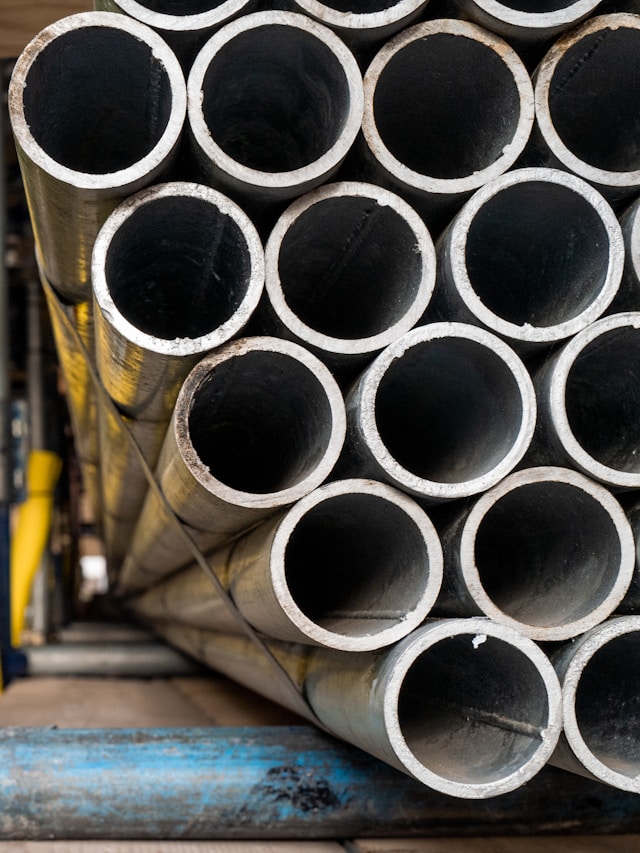
The most common obstacle inside the pipe itself is debris and blockages. Over time, pipes can accumulate large amounts of sand, gravel, grease, roots, and other debris. These obstructions can prevent the crawler from advancing through the entire pipe segment. Before a proper pipeline inspection can be performed, the pipe must be thoroughly cleaned. This is typically done using high pressure water jetting equipment, which scours the inside of the pipe and flushes the debris downstream where it can be vacuumed out.
Finally, the pipe material and size can present their own challenges. Very small diameter pipes, like those found in residential laterals, require specialized mini cameras. Conversely, massive, large diameter interceptor sewers require heavy duty crawlers with powerful lighting systems to properly illuminate the entire pipe. Different pipe materials also behave differently, and an experienced operator will know what to look for when conducting a pipeline inspection in a clay pipe versus a concrete or cast iron one. The sheer volume of data management from a large scale pipeline inspection project is also a significant challenge, requiring robust software and organized workflows to process and analyze thousands of hours of video and sensor data. Overcoming these obstacles is part of the daily work of a professional pipeline inspection contractor.
The Future is Now: Emerging Trends in Pipeline Inspection
The field of pipeline inspection is constantly evolving, driven by advances in robotics, software, and data science. The technologies that are emerging today are poised to make inspections faster, more accurate, and even more predictive. We are moving toward a future where the health of our entire underground infrastructure can be monitored in near real time.
One of the most significant trends is the integration of Artificial Intelligence (AI) and Machine Learning. Currently, a human operator has to watch hours of video footage to identify and code defects. This is a time consuming and subjective process. New AI powered software can analyze this video footage automatically. These systems are trained on vast libraries of images and can recognize cracks, root intrusion, and other defects with a high degree of accuracy. This not only speeds up the pipeline inspection process dramatically but also improves the consistency and quality of the data. Companies like SewerAI are at the forefront of this technological shift.
Advanced robotics is another area of rapid innovation. We are seeing the development of more agile and autonomous crawlers. These robots can navigate around obstacles, choose their own paths through complex pipe networks, and even perform minor repairs on their own. We are also seeing the emergence of untethered, free swimming drones that can be used for the pipeline inspection of large, full pipes where a traditional crawler cannot go.
The way we manage the data is also changing. Data analytics platforms are becoming more sophisticated. These cloud based systems can integrate pipeline inspection data with a city’s Geographic Information System (GIS) and other asset management tools. This allows engineers to visualize the condition of their entire network on a map, run complex risk models, and develop optimized, long term capital improvement plans. The goal is to create a “digital twin” of the underground infrastructure, a virtual model that reflects the real world condition of the assets. This level of network wide insight is critical for effective asset management.
These emerging trends are transforming pipeline inspection from a periodic, manual task into a continuous, data driven process. As these technologies mature and become more widespread, they will allow us to manage our vital underground infrastructure with unprecedented efficiency and intelligence, ensuring its safety and reliability for generations to come.
Conclusion: Protecting Our Future by Inspecting the Unseen
Our underground pipelines are the silent workhorses of modern civilization. They are out of sight, but they should never be out of mind. The structural integrity of this hidden network is essential for public health, environmental safety, and economic prosperity. As this infrastructure ages, a proactive and intelligent approach to maintenance is not just beneficial; it is absolutely critical. Waiting for a pipe to fail is a losing strategy that leads to costly emergency repairs, disruptive service outages, and potential public safety hazards.
The critical and complementary roles of CCTV and advanced multi sensor probes have provided the tools we need to manage these assets effectively. CCTV gives us our eyes inside the pipe, allowing for a detailed visual assessment of its condition. Advanced probes, with technologies like laser, sonar, and GPR, give us the ability to see beyond the surface, gathering the quantitative engineering data needed to understand the true structural health of the pipe and its surrounding environment. Together, they provide a complete, holistic picture, enabling a shift from reactive repairs to a predictive, data driven asset management strategy.
Investing in a comprehensive pipeline inspection program is one of the most important investments any municipality or industrial facility can make. It is not a cost; it is an investment in risk reduction, fiscal responsibility, and long term sustainability. By partnering with expert service providers like RAVAN AIR, you can implement a pipeline inspection program that leverages the latest technology to protect your critical infrastructure. By committing to inspecting the unseen, we protect the visible world we all depend on and ensure a safe and reliable future for our communities.